The Institute of National Remembrance Continues Archaeological Work in the Piaśnica Forest. Searching for Traces of the German Aktion 1005 and the Cover-up of Crimes Committed Between 1939 and 1944

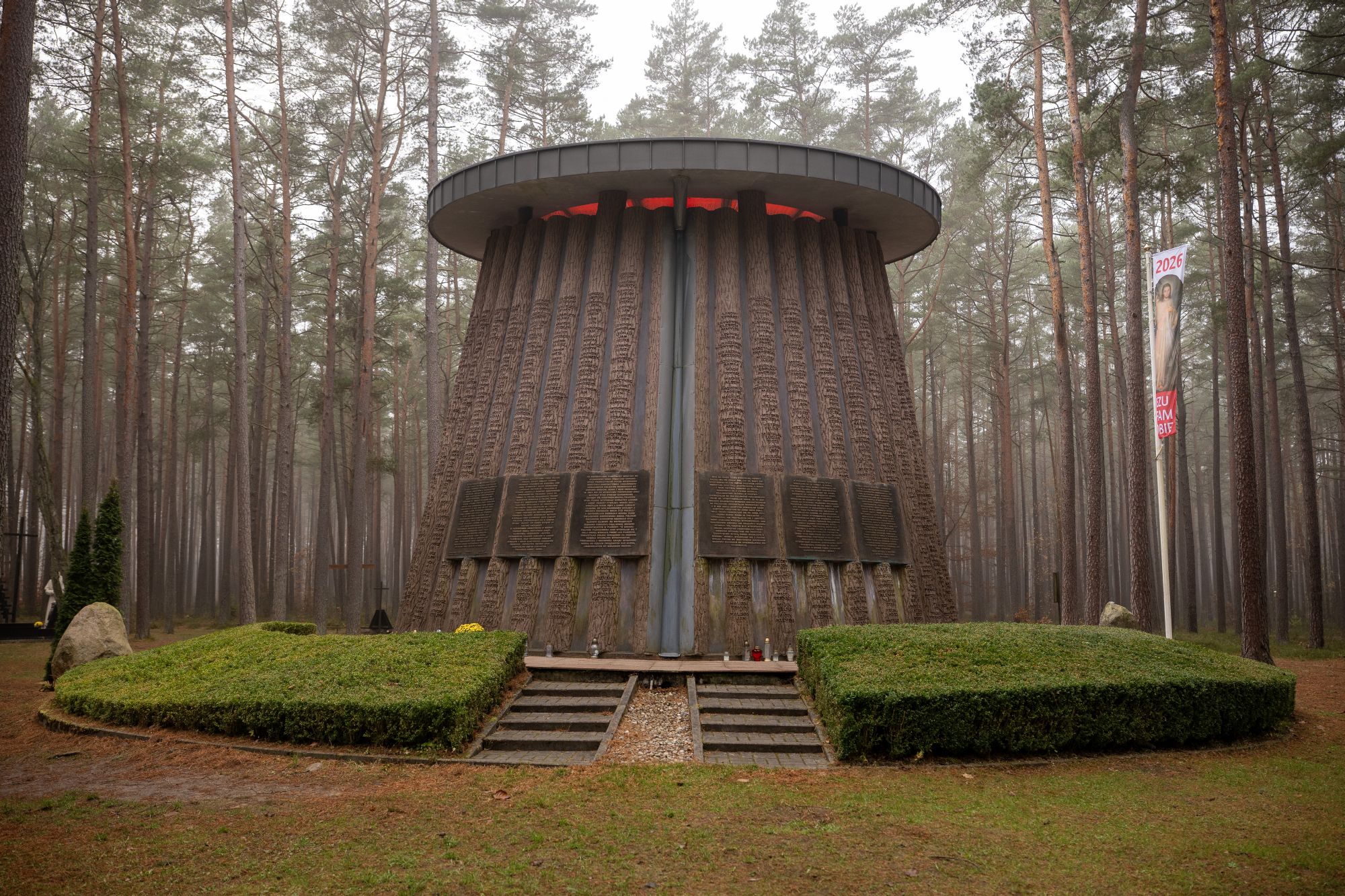
The Institute of National Remembrance in Gdańsk is continuing advanced archaeological work in the Piaśnica Forest, one of the most important sites of execution in Gdańsk Pomerania. The research, conducted from November 2 to 10, 2025, aims to find material traces of the German Operation Aktion 1005, which was intended to cover up evidence of mass genocide during World War II.
Purpose and scope of the IPN's work
Since 2021, the Investigation Department of the Institute of National Remembrance, together with experts from the University of Łódź and the University of Rzeszów, under the supervision of Dr. Dawid Kobiałka, has been conducting systematic research into sites where mass graves of victims of the so-called Pomeranian Crime of 1939 may be located. Work has previously been carried out in Chojnice, Borówno, and the Szpęgawski Forest, among other places.
In its new investigation, the IPN is analyzing the course of Aktion 1005, a secret operation carried out by the Germans from 1943, which involved exhuming corpses from mass graves, burning them on pyres, and hiding the ashes in order to cover up the traces of mass executions.
Las Piaśnicki – Place of Mass Murder
In the Piaśnica Forest, between 1939 and 1940, the Germans murdered thousands of people – representatives of the Polish intelligentsia, clergy, and patients of psychiatric hospitals. In 1946, 25 mass graves and two pyres were located there, and 305 victims were exhumed, of whom only 55 could be identified.
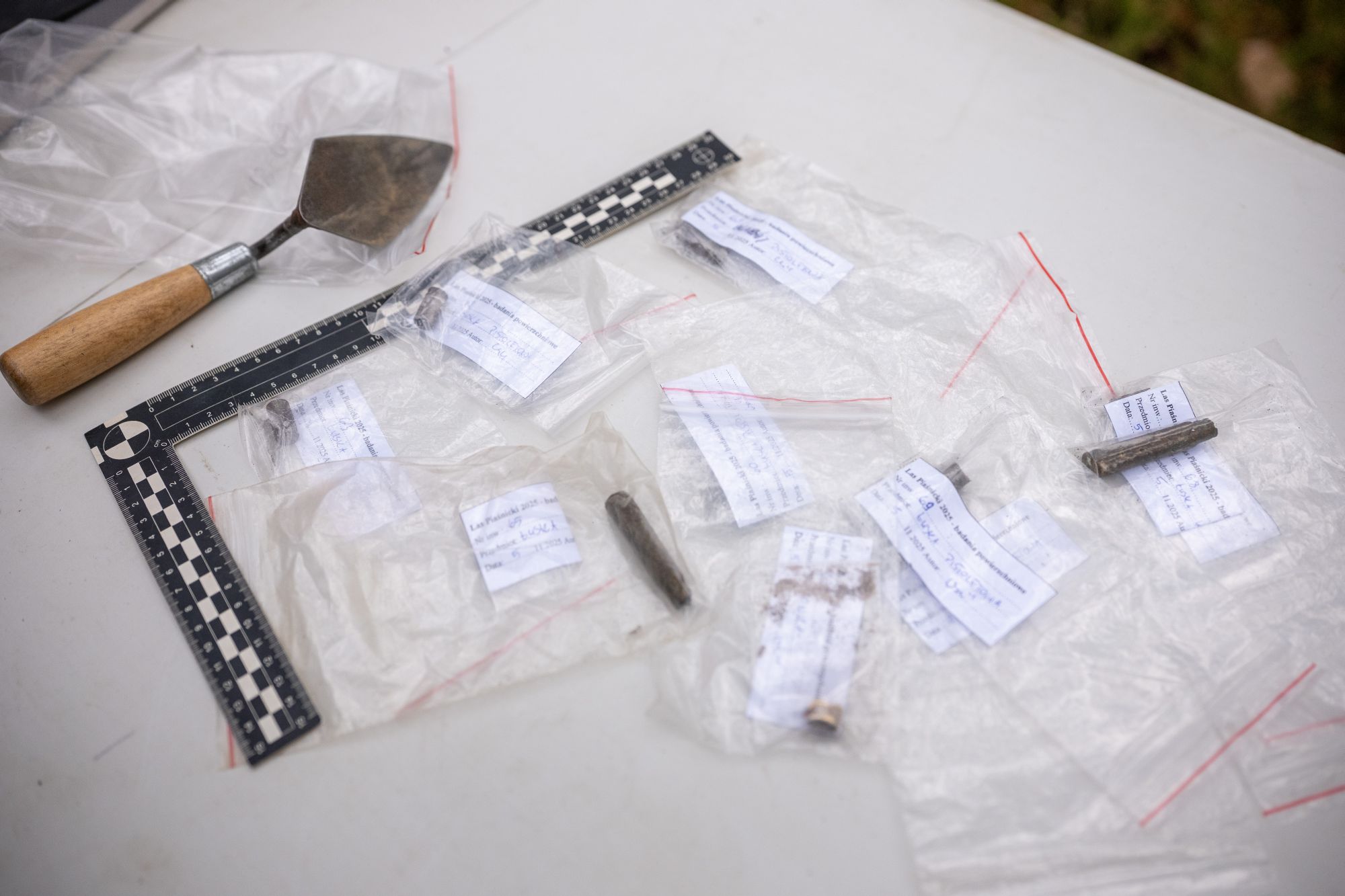
However, most of the graves were empty, with only fragments of bones, shell casings, and alcohol bottles remaining, confirming that Aktion 1005 was carried out in 1944, during which the Germans burned and scattered the remains of the victims in the surrounding forests.
Barbara Bojarska's research in the 1950s and 1960s led to the discovery of further destroyed graves, and accounts indicate that there are still undiscovered burial sites in the Piaśnica Forest and unknown locations where several tons of burned human remains are hidden.


Modern Research Techniques
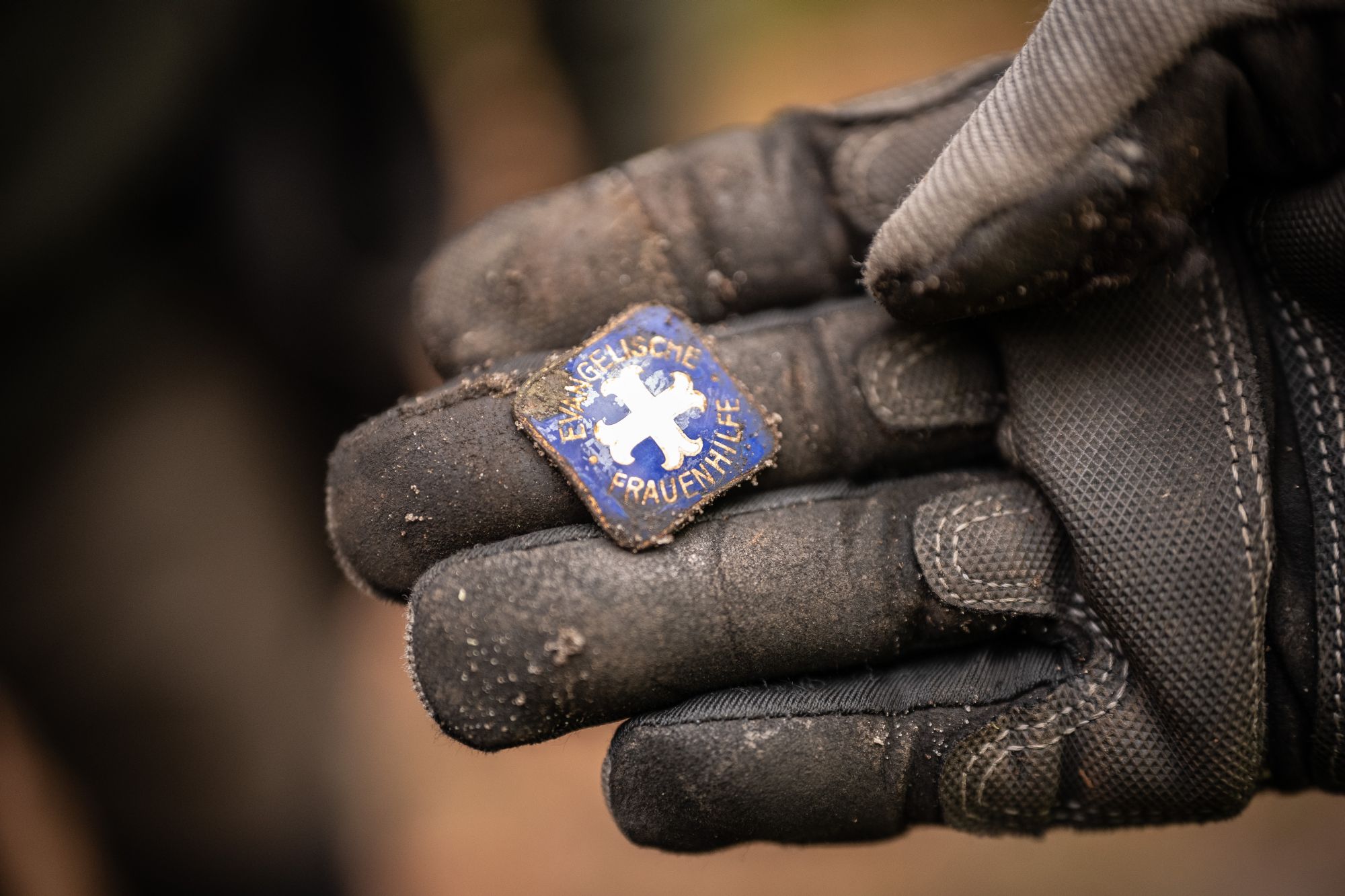
The IPN's work was preceded by an analysis of archives, aerial laser scanning, and historical photographs. Surface surveys, metal detectors, and geological drilling were used in the field. The objects and human bone fragments found are undergoing anthropological, archaeological, geochemical, and archaeobotanical analysis.
This year's research has uncovered over 200 metal artifacts that may be linked to executions or attempts to cover up the traces of the crimes.
Continuation of Research
The IPN announces further actions in the near future, pointing out that new scientific methods allow for a breakthrough in determining the fate of victims and reconstructing the course of crimes.
*Source of photos and video: Institute of National Remembrance in Gdańsk